
Parashat Vayetzei
Not Done So in Our Place
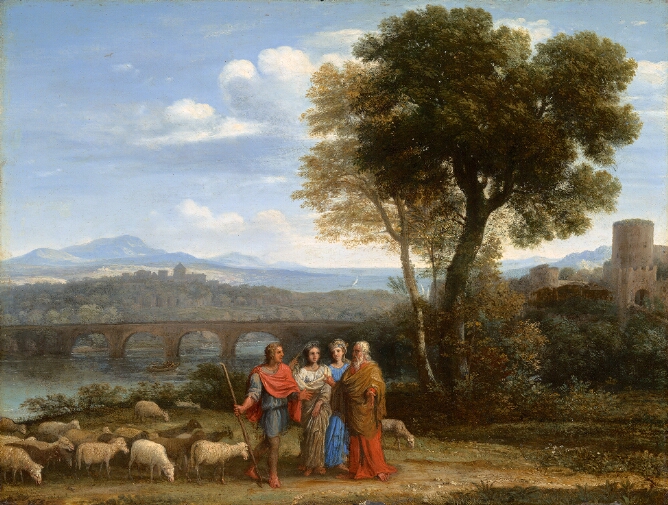
To say that Jacob has a contentious relationship with his uncle, later father-in-law, Laban, is something of an understatement. In this week’s parashah, Laban tricks Jacob by substituting his daughter Leah for Rachel, the daughter whom Jacob wished to marry. When the deception is revealed, Laban defends himself by audaciously asserting that he was, in actuality, doing the right thing (Gen. 29:26, my translation):
וַיֹּ֣אמֶר לָבָ֔ן לֹא־יֵעָשֶׂ֥ה כֵ֖ן בִּמְקוֹמֵ֑נוּ לָתֵ֥ת הַצְּעִירָ֖ה לִפְנֵ֥י הַבְּכִירָֽה׃
Laban said, “It is not done so in our place, to marry off the younger daughter before the older.”
R. Eliezer Ashkenazi, in his Ma’aseh Hashem, asks two questions about this verse, and then answers them together (Ma’aseh Avot 32, my translation):
וּבְמַה שֶׁנֶּאֱמַר ״לֹא יֵעָשֶׂה כֵן בִּמְקוֹמֵנוּ״ יִפָּלֵא גַּם כֵּן שֶׁוַּדַּאי לֹא יֵעָשֶׂה כֵן בְּשׁוּם מָקוֹם. וְלָמָּה אָמַר לָבָן ״לֹא יֵעָשֶׂה כֵן בִּמְקוֹמֵנוּ״? וְעוֹד יֵשׁ לִתְמֹהַּ הֵיאַךְ יַעֲקֹב הִסְכִּימָה דַּעְתּוֹ לָקַחַת רָחֵל קֹדֶם שֶׁתִּנָּשֵׂא לֵאָה. וְיֵשׁ שֶׁאָמְרוּ שֶׁחָשַׁב שֶׁתּוֹךְ הַז׳ שָׁנִים שֶׁיַּעֲבֹד בְּרָחֵל יַשִּׂיא אֶת לֵאָה. אֲבָל הַדְּבָרִים עַל נָכוֹן הֵם, שֶׁכַּאֲשֶׁר סִפֵּר יַעֲקֹב לְלָבָן שֶׁלָּקַח הַבְּכוֹרָה מֵעֵשָׂו בִּלְתִּי הֱיוֹתוֹ פֶּטֶר רֶחֶם, אָמַר לָבָן כִּמְקַנְטֵר לְיַעֲקֹב, ״לֹא יֵעָשֶׂה כֵן בִּמְקוֹמֵנוּ״, כְּלוֹמַר: בִּמְקוֹמְךָ עוֹשִׂים מִן הַצָּעִיר בְּכוֹר, שֶׁלָּקַחְתָּ בְּכוֹרַת עֵשָׂו, אֲבָל בִּמְקוֹמֵנוּ לֹא יִלָּקַח הַבְּכוֹרָה מִן הַגְּדוֹלָה לַצְּעִירָה. וְדוֹק וּרְאֵה שֶׁלֹּא אָמַר ״לָתֵת הַקְּטַנָּה לִפְנֵי הַגְּדוֹלָה״, כְּפִי מַה שֶׁנֶּאֱמַר קֹדֶם, ״שֵׁם הַגְּדֹלָה לֵאָה וְשֵׁם הַקְּטַנָּה רָחֵל״, אֲבָל קְרָאָם ״צְעִירָה״ וּ״בְכִירָה״, כְּדֵי לְקַנְטֵר, שֶׁיַּעֲקֹב נִקְרָא ״צָעִיר״ וְעֵשָׂו הָיָה ״בְּכוֹר״. לָכֵן אָמַר בַּלָּשׁוֹן הַזֶּה, כְּלוֹמַר, אַתָּה הַצָּעִיר וְלָקַחְתָּ הַבְּכוֹרָה מֵאָחִיךָ, וְלֹא יֵעָשֶׂה כֵן בִּמְקוֹמֵנוּ.
It is also strange that it says, “It is not done so in our place”, for surely it is not done so in any place! Why, then, did Laban say, “in our place”? And one must also wonder how Jacob could have agreed to take Rachel before Leah was married! Some have said that he figured that within the seven years he worked for Rachel, [Laban] would marry off Leah. But the matter is correctly understood as follows: when Jacob told Laban (Gen. 29:13) that he had taken the birthright from Esau, even though he himself was not the one who first opened the womb, Laban, taunting Jacob, said, “It is not done so in our place.” That is: in your place, they turn the younger one into the firstborn, as you took Esau’s birthright; but in our place, the birthright is not taken from the elder and given to the younger. And note carefully that he did not say “to give the younger (ha-ketanah) before the elder (ha-gedolah)”, as in the wording used earlier: “the name of the elder (ha-gedolah) was Leah and the name of the younger (ha-ketanah) was Rachel” (Gen. 29:16). Rather, he called them “younger” (tze’irah) and “firstborn” (bekhirah) in order to taunt, since Jacob was called the “younger” (tza’ir) and Esau was the “firstborn” (bekhor). Therefore he said it in this fashion, as if to say, “You are the younger, and you took the birthright from your brother, and that is not done so in our place.”
In other words, Laban is saying: “Perhaps in your place, people act all backwards, disregarding birth order, pushing aside the older sibling, ignoring the proper way of doing things. But in our place, we behave properly.” Professor Nechama Leibowitz[1] calls this “the tactic that attack is the best defense”.
Professor Moshe Zipor points out a parallel between Laban’s defense and a Midrashic expansion of the encounter between Jacob and Leah on their wedding night (Bereishit Rabbah 70:19, my translation):
וְכָל הַהוּא לֵילְיָא הֲוָה צָוַח לָהּ רָחֵל, וְהִיא עָנְיָא לֵיהּ. בְּצַפְרָא ״וְהִנֵּה הִיא לֵאָה״. אָמַר לָהּ: מָה, רַמָּיְתָא בַּת רַמָּאָה, לָאו בְּלֵילְיָא הֲוָה קָרֵינָא רָחֵל וְאַתְּ עֲנֵית לִי? אָמְרָה לֵיהּ: אִית סַפָּר דְּלֵית לֵיהּ תַּלְמִידִים? לֹא כָךְ הָיָה צוֹוֵחַ לָךְ אֲבוּךְ עֵשָׂו, וְאַתְּ עָנֵי לֵיהּ?
All that night long he called her “Rachel”, and she answered him. Morning came, “and behold—it was Leah” (Gen. 29:25). He said to her, “What? Deceiver, daughter of a deceiver! Did I not call you ‘Rachel’ last night, and you answered me?” She said to him, “Is there a haircutter who does not have apprentices? Didn’t your father call you ‘Esau’ and you answered him?”
Leah’s rejoinder to Jacob—“is there a haircutter[2] who does not have apprentices?”—turns Jacob’s accusation back on him. She seems to mean that Jacob was the master of deception, and she was following his example: just as he answered to Esau’s name in his blind father’s tent when he took the blessing of the firstborn from his brother, so too did she answer to her sister’s name in the darkness.
Professor Zipor sees the principle of middah keneged middah, or “measure for measure”, as the thread that underlies these deceptions (my translation):
מוסר ההשכל של הסיפור המקראי אינו מפורש, והמסר על צדק פואטי מובא בצורה סמויה, באמצעות שימושי לשון ורמזים מעודנים. … יעקב גזל ברכה אשר לא צריך היה לקבל, עתה נגזלת ממנו האישה אשר צריך היה לקבל. נקודת השוואה מעניינת נוספת בין האירועים הללו: גם המרמה של יעקב וגם זו של לאה לא נעשו ביוזמתם אלא ביוזמת האם או האב, אך תמורת הרווח המיידי שהפיקו שני אלה מן הזכייה — יעקב מן הברכה ולאה מן הנישואין — שילמו גם זה וגם זו מחיר כבד בהמשך.
The moral of Biblical narrative is not stated explicitly; the message of poetic justice is conveyed implicitly, through choices of language and subtle allusions. … Jacob stole a blessing that was not his to receive; now the woman who was his to receive was stolen from him. Another interesting parallel between these incidents is this: both Jacob’s and Leah’s acts of deception were not instigated on their own initiative, but rather on the initiative of a parent [Jacob’s mother and Leah’s father]; however, in exchange for the immediate benefit each secured—Jacob from the blessing and Leah from the marriage—both of them later paid a heavy price.
And just as we have a parallel between Jacob and the Midrash’s Leah, we have a parallel between Laban and Leah. Both are deflecting responsibility onto Jacob, and moreover onto Jacob’s own history of deceitfulness—and both of them are right! Last week I pointed out that Isaac’s life is in large part defined by repeating many elements of his father Abraham’s life; the challenge is to find Isaac’s character reflected in the differences. Here, the inheritance runs the other way. Every deceiver in this story is someone’s “apprentice”: Jacob learned from Rebekah, Leah from Laban (and, in the Midrash, from Jacob), and Rachel, before the parashah is over, will prove she learned from both. Rabbi Sacks quotes Hilary Putnam: “Every child has the right to be a complete surprise to its parents.” In these generations of the family of the Patriarchs, the children are no surprise at all.
Middah keneged middah is one of the through-lines of the narrative of the Patriarchs’ family throughout Genesis. Laban says “it is not done so in our place”; by the end of the parashah, his younger daughter Rachel has deceived him. Rachel steals Laban’s household idols (Gen. 31:19); the next verse tells us that “Jacob kept Laban the Aramean in the dark” (Gen. 31:20). This is the Revised JPS translation, but the Hebrew says va-yig’nov ya’akov et lev lavan ha-arami, literally, “Jacob stole the heart of Laban the Aramean”. Both Rachel and Jacob are committing acts of theft. And when Laban searches Rachel’s tent, trying to find the idols, the Torah uses the verb va-yemasheish (Gen. 31:34): the root m.š.š. means “feel”, “grope”, here “rummage”. This is the same verb that Jacob uses to express doubt to his mother Rebekah about their plan to deceive Isaac: “Perhaps my father will feel me [yemusheini] and I will appear to him as a deceiver” (Gen. 27:12), and it is the same verb that describes how Isaac actually tries to ascertain his son’s identity (Gen. 27:21–22). Then Jacob later throws it back angrily at Laban: “You have rummaged [mishash’ta] through all my things” (Gen. 31:37, Revised JPS translation). The irony here is that Laban, the man who taunted his son-in-law Jacob after deceiving him, ends up in Isaac’s role, fumbling in a tent and fooled by his own younger child. (And Rachel’s excuse—“the way of women is upon me” (Gen. 31:35, NRSV[3])—is one more deception that hides the truth by appealing to custom, just like “not done in our place”.)
The question of Ma’aseh Hashem—why does Laban say “in our place” when surely such a thing is not done in any place—has a bitterly ironic answer. In this family, it’s done in every place. The previous generation’s deceptions fail to teach the next’s a lesson: measure for measure, middah keneged middah, chastens no one, and history repeats itself. The “heavy price” that they end up paying for their deception is, in large part, paid in the same currency. Laban’s switcheroo means that Jacob ends up loving one wife above another, and therefore shows overt favoritism to that wife’s sons. The resulting resentment is given expression by how the brothers deceive their father about Joseph’s disappearance (Gen. 37:31–33), and then Joseph ends up turning the tables on them by deceiving them as to his true identity when they go down to Egypt (Gen. 42:7).
Jacob deceived his father Isaac by making him think he was Esau using goatskins and Esau’s clothes (Gen. 27:15–16). Jacob’s sons then deceive him with blood from a slaughtered goat and their brother’s clothes (Gen. 37:31). This goat parallel actually goes further, as the Rabbis note (Sotah 10b and Bereishit Rabbah 85:9): later in Genesis, Judah promises Tamar a he-goat (gedi izzim, 38:17) and is caught out with the question “Please, identify whose seal, cord, and staff are these” (Gen. 38:25). This is the same set-up “question” that the brothers use on Jacob, “Please, identify whether this is your son’s tunic or not” (Gen. 37:32). The props are the same, but now Jacob, and later Judah, is the one being fooled. “Not done in our place”? It will be done in Jacob’s own household. It will take another generation—the rest of Sefer Bereishit—and a lot of pain before the cycle of deception is broken, but when that happens, it will truly mark the transition from the story of the Patriarchs’ family drama to the national story of the Israelite people.
Technically speaking, it’s the English translator/adapter of her collected works, Professor Aryeh Newman, who uses this phrase (Studies in Bereishit, 4th rev. edn., p. 325). But it cuts to the thrust of her analysis of the passage, at any rate. ↩︎
The text as pointed says sappar, “haircutter” or “barber”. But without vowels, it could be read sofer, “scribe” or perhaps “schoolteacher”: “Is there a teacher without students?” Either way, the point is clear: Leah’s deception is an emulation of Jacob’s. ↩︎
The implication, of course, is that she is on her menstrual period. While I usually prefer to quote Jewish translations, the Revised JPS translation here (“I am in a womanly way”) is less literally faithful to the Hebrew (derekh nashim li); the NRSV translation is closer. ↩︎